
Advertising on AI Search Engines: What Your Business Needs to Know in 2026
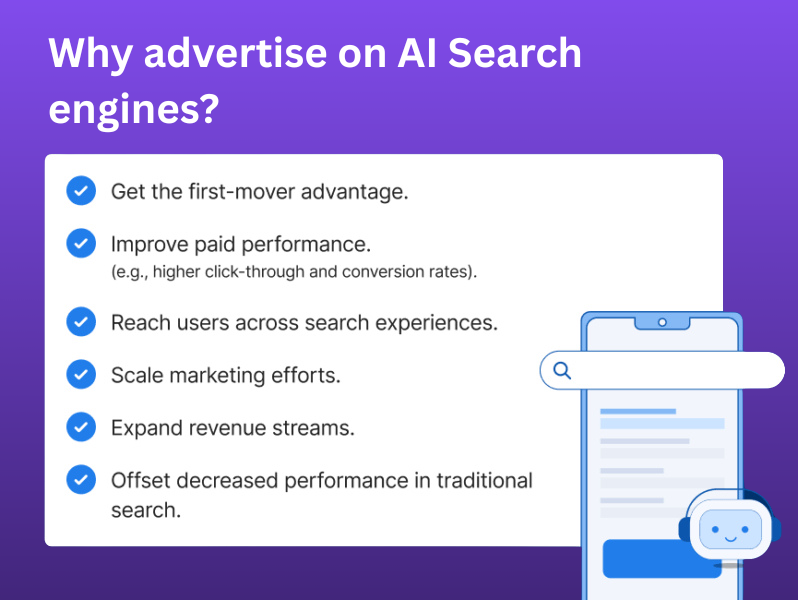
Why AI Search Advertising Matters?
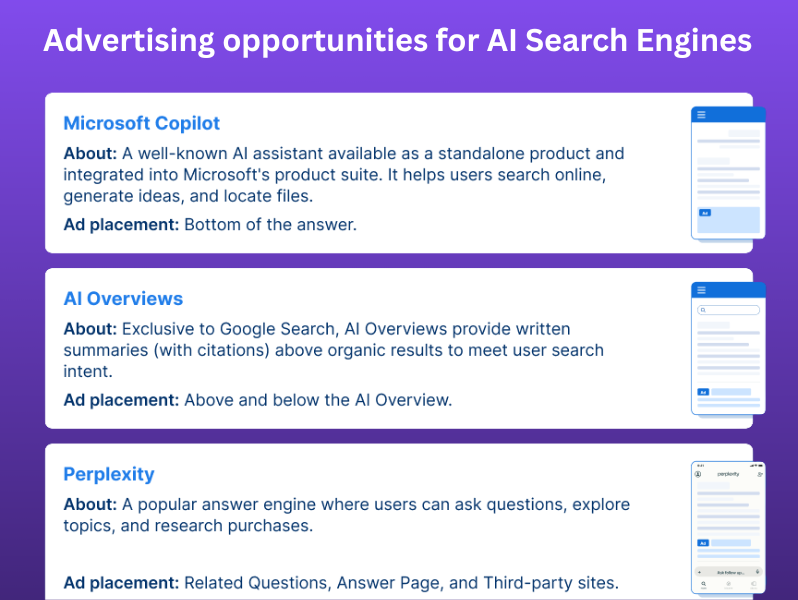
Which AI Search Engines Support Advertising in 2026?
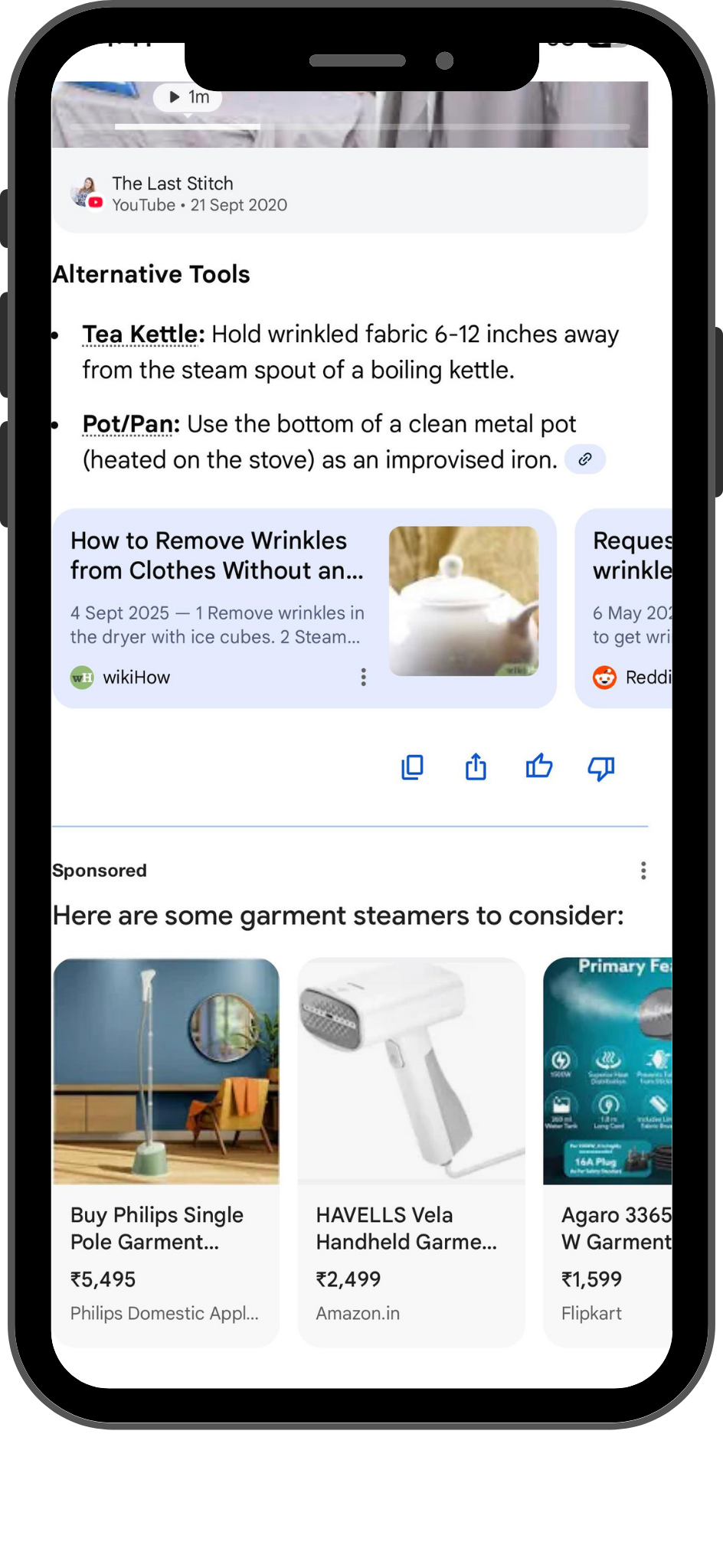
1. Google AI Overviews and AI Mode
- Google has the most mature AI search advertising infrastructure, integrating ads into AI Overviews (AI-generated summaries) and AI Mode (conversational search).
- AI Max for Search dynamically matches ads to relevant searches and customizes ad copy based on user intent.
- Advertisers typically see 14% more conversions at similar cost-per-acquisition, with some campaigns showing gains of up to 27%.
- Google forecasts US AI-driven search ad spend will grow from $1 billion in 2025 to $26 billion by 2029.
- The platform continues to deliver strong ROI, averaging $6 in revenue for every dollar spent on paid campaigns.
2. Microsoft Copilot
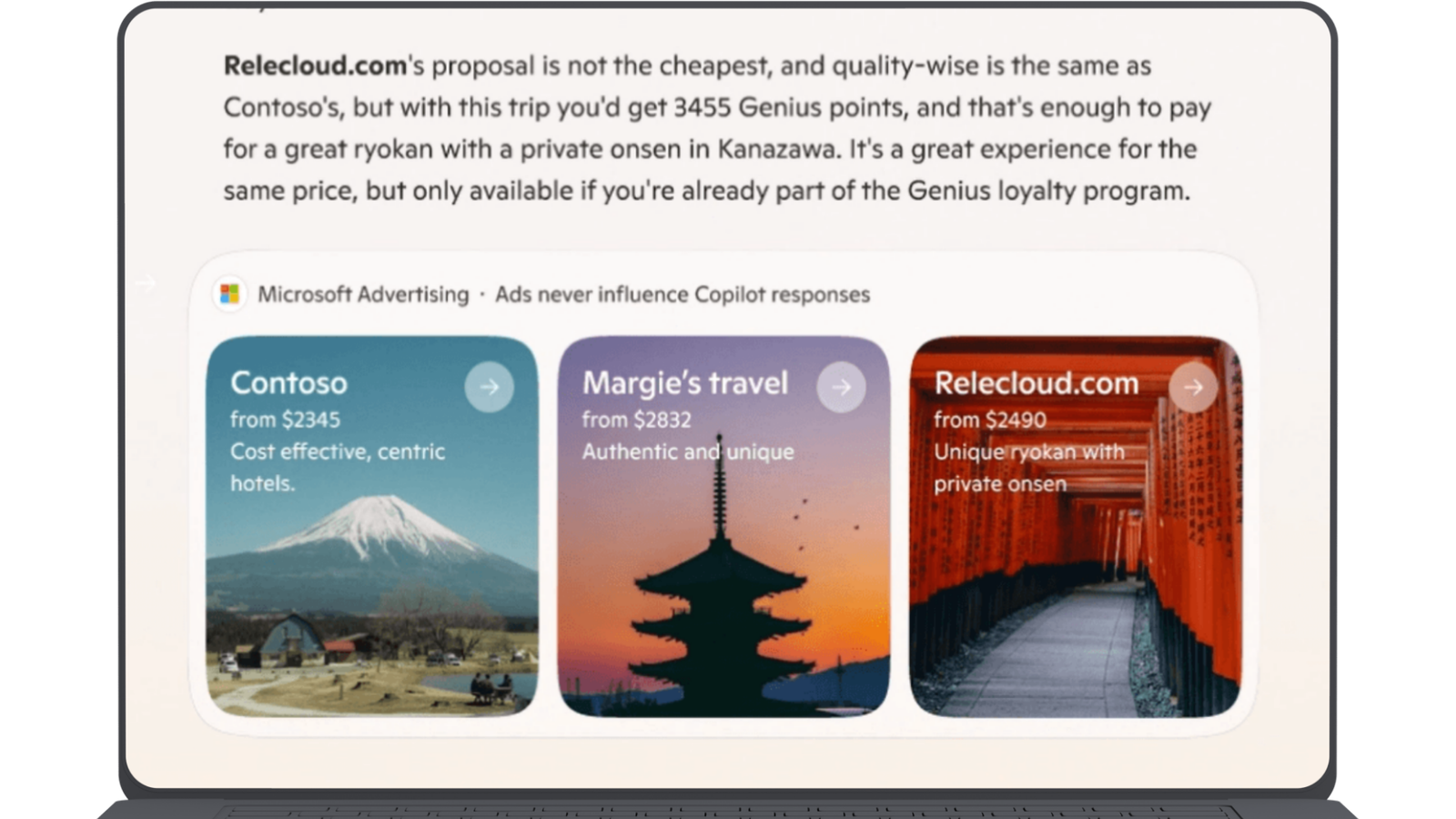
- Microsoft is integrating advertising into Copilot, their AI assistant built on Bing’s advertising ecosystem.
- While Bing’s market share is smaller than Google’s, Copilot offers unique advantages for reaching professional and enterprise audiences.
- Particularly effective for organizations heavily invested in Microsoft’s ecosystem.
3. Perplexity
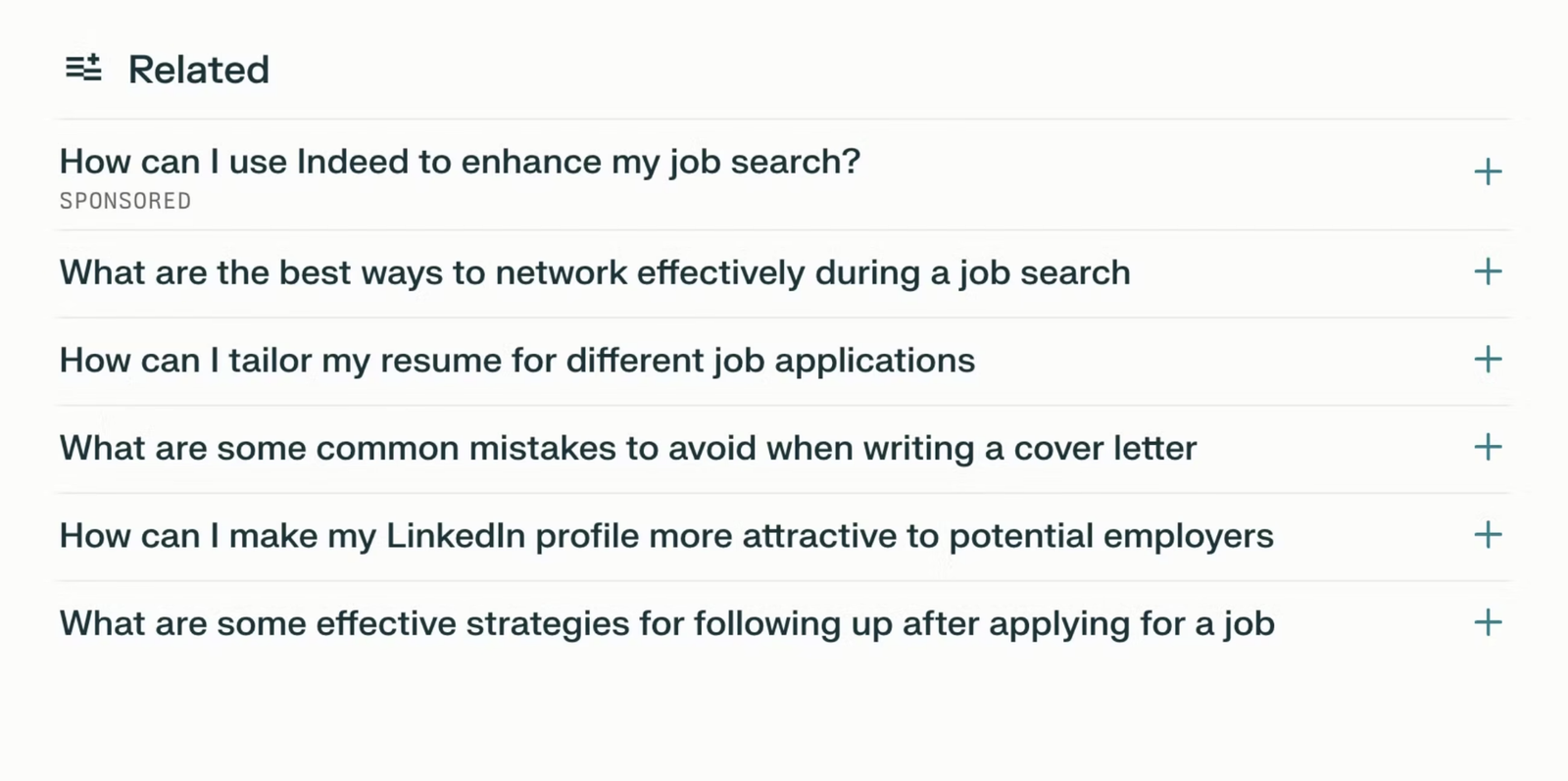
- Perplexity introduced “Sponsored Follow-Up Questions” in November 2024, showing AI-generated follow-up questions with some sponsored by advertisers.
- As of October 2025, new advertiser onboarding was paused to focus on product development.
- With 780 million queries monthly, Perplexity is currently a “monitor and assess” platform rather than an immediate priority for advertisers.
Which AI Search Engines Support Advertising in 2026?
ChatGPT (Expected Q1-Q2 2026)
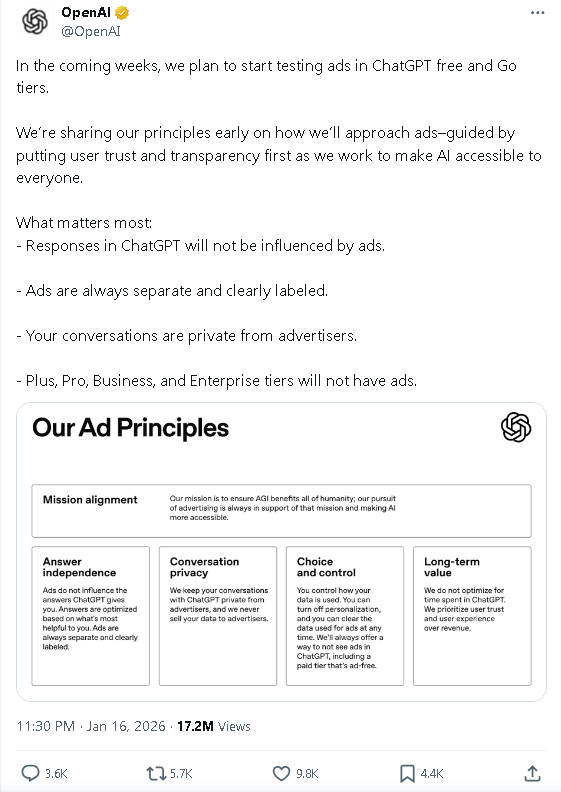
ChatGPT offers a major opportunity in AI search advertising with over 800 million weekly active users and advanced natural language understanding. OpenAI, generating $20 billion in annual revenue by late 2025, faces operational costs, potentially burning through $115 billion by 2030. Plans for $1 billion in “free user monetization” by 2026 could grow to $25 billion by 2029. Expected ad formats include sponsored answers, shopping integration, and affiliate models. OpenAI has hired Fidji Simo, former Facebook Ads head, signaling strong ad ambitions. ChatGPT will prioritize contextual targeting based on natural language conversations, not keywords, enabling precise user intent understanding.
Google Gemini
Google has confirmed plans to introduce advertising to Gemini, their conversational AI platform, in 2026. Given Google’s $200+ billion annual advertising revenue and decades of infrastructure investment, Gemini advertising will likely integrate seamlessly with Google’s existing advertising ecosystem.
How Should Businesses Prepare for AI Search Advertising?
1. Build Cross-Platform Content Presence
Since AI systems reference only 5-10% company-owned content, businesses must establish presence across multiple platforms where AI tools gather information. This includes industry forums, review platforms, YouTube, Reddit, and other community sites where target audiences discuss relevant topics.
2. Implement Google AI Advertising Immediately
Google’s AI advertising infrastructure is operational and delivering measurable results. Businesses currently advertising on Google should activate AI Max for Search campaigns. For organizations not yet advertising on Google, this represents the logical starting point given the platform’s maturity, proven ROI, and market dominance.
3. Prepare for ChatGPT’s Advertising Launch
With ChatGPT advertising expected in early 2026, strategic preparation is warranted. Allocate 5-10% of search budgets for testing new AI advertising platforms when they launch. Early adopters consistently achieve better results through lower competition and valuable learning time.
4. Update Measurement and Attribution Models
Traditional click-based metrics provide incomplete pictures in AI search environments. Implement Marketing Mix Modeling to understand influence across channels and use incrementality testing to measure true advertising impact.
5. Invest in Team Capabilities
Industry research indicates 67% of marketing professionals cite lack of education as the primary barrier to AI adoption. Organizations should invest in team education through workshops, vendor partnerships, and continuous learning programs focused on AI search marketing.
Conclusion
FAQs
Which AI search platform should I advertise on first?
How much budget should I allocate for AI search advertising?
Will AI search completely replace traditional search engines?
How do I measure success in AI search advertising if people aren't clicking through to my website?
Let us help you grow your business with a customized SEO strategy