
SEO Benchmarks That Matter in 2026: How to Measure Real Performance
Published Date: December 30 2025

SEO Benchmarks for Real Search Performance
Why SEO Benchmarks Are Essential
Search Visibility (Not Just Rankings)
Authority & Backlink Benchmarks
Content Depth, Relevance & Freshness
SEO Timelines & Growth Expectations
Conversion & Business Impact Benchmarks
SEO Benchmarks for Real Search Performance
SEO success has changed and so have the benchmarks used to measure it.
Ranking for a handful of keywords or seeing a short-term traffic increase no longer paints the full picture. With AI-generated search results, evolving SERP features, and more competition than ever, businesses need clear SEO benchmarks to understand what’s working and what needs improvement.
So what does “good SEO performance” actually look like in 2026?
Let’s break down the benchmarks that separate surface-level results from sustainable organic growth.
Why SEO Benchmarks Are Essential
Without benchmarks, SEO becomes reactive instead of strategic. Benchmarks provide context. They help answer critical questions like:


Are rankings translating into meaningful visibility?

Is organic traffic driving real business value?
Instead of chasing isolated metrics, benchmarks allow teams to evaluate SEO performance holistically and make smarter decisions based on data, not assumptions.
In short: benchmarks turn SEO into a measurable growth channel.
Search Visibility (Not Just Rankings)
Keyword rankings still matter but visibility matters more.
Modern SEO benchmarks look beyond page-one rankings and focus on:

Top-3 keyword positions:
Ranking in the top three search results remains one of the strongest indicators of organic success. These positions receive the majority of clicks, especially for high-intent searches. Benchmarking how many keywords consistently rank in the top three helps measure true visibility rather than surface-level rankings. It also highlights which pages are closest to capturing more traffic with minimal optimization.

Presence in SERP features like featured snippets and FAQs:
Search results now include rich features like featured snippets, FAQs, and People Also Ask boxes that attract attention before traditional listings. Earning these placements can significantly increase visibility, even if a page isn’t ranking first. Benchmarking SERP feature ownership shows how well content aligns with search intent and structured data best practices.

Share of voice compared to competitors:
Share of voice measures how visible a website is across relevant keywords compared to competitors. Instead of tracking rankings in isolation, this benchmark reveals who dominates the search landscape overall. Monitoring share of voice helps identify gaps, competitive threats, and opportunities to gain visibility in high-value search areas.
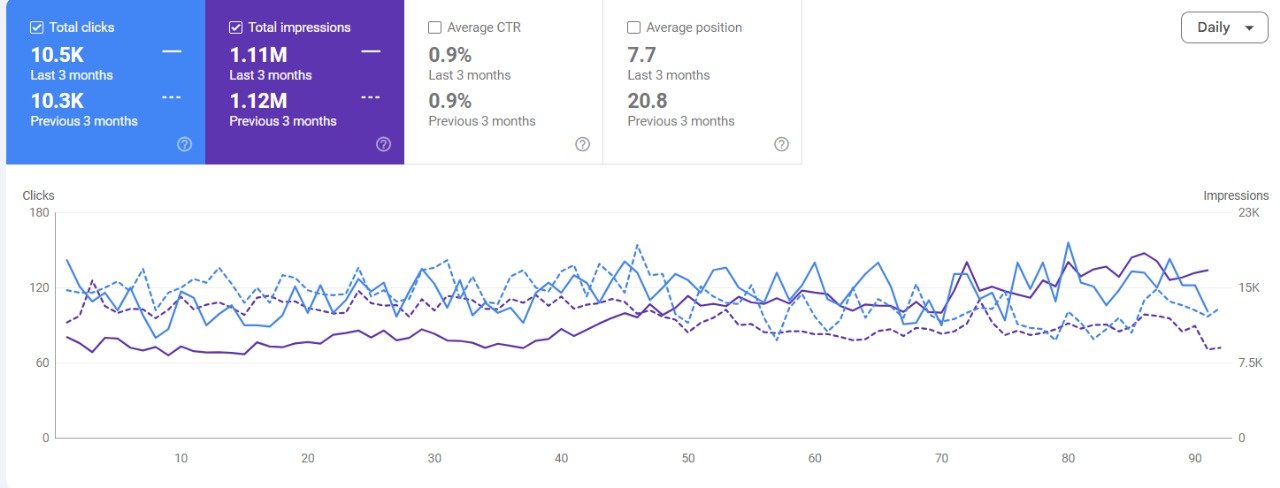
A page ranking lower but appearing in a prominent SERP feature may outperform a higher ranking without enhanced visibility. This is especially important as AI summaries and rich results take up more space on search results pages.
Here’s where many SEO strategies fall short…
Authority & Backlink Benchmarks
Backlinks remain one of the strongest ranking signals but quality now outweighs quantity.
High-performing websites typically earn:

Links from relevant, trusted domains

A steady growth of unique referring websites

Natural anchor text patterns

Editorial links earned through high-quality content

Links from topically relevant pages
SEO benchmarks in this area compare backlink profiles against top-ranking competitors to identify authority gaps. It’s not about matching link counts, it’s about earning trust within your niche.
This benchmark helps determine whether a site is viewed as credible by search engines, not just visible.
Content Depth, Relevance & Freshness
Content benchmarks go far beyond word count but depth still plays a role.
Pages that consistently rank well tend to:

Fully satisfy search intent

Address related questions and subtopics

Use clear structure with headings and internal links

Provide original insights or unique perspectives

Demonstrate expertise and credibility signals
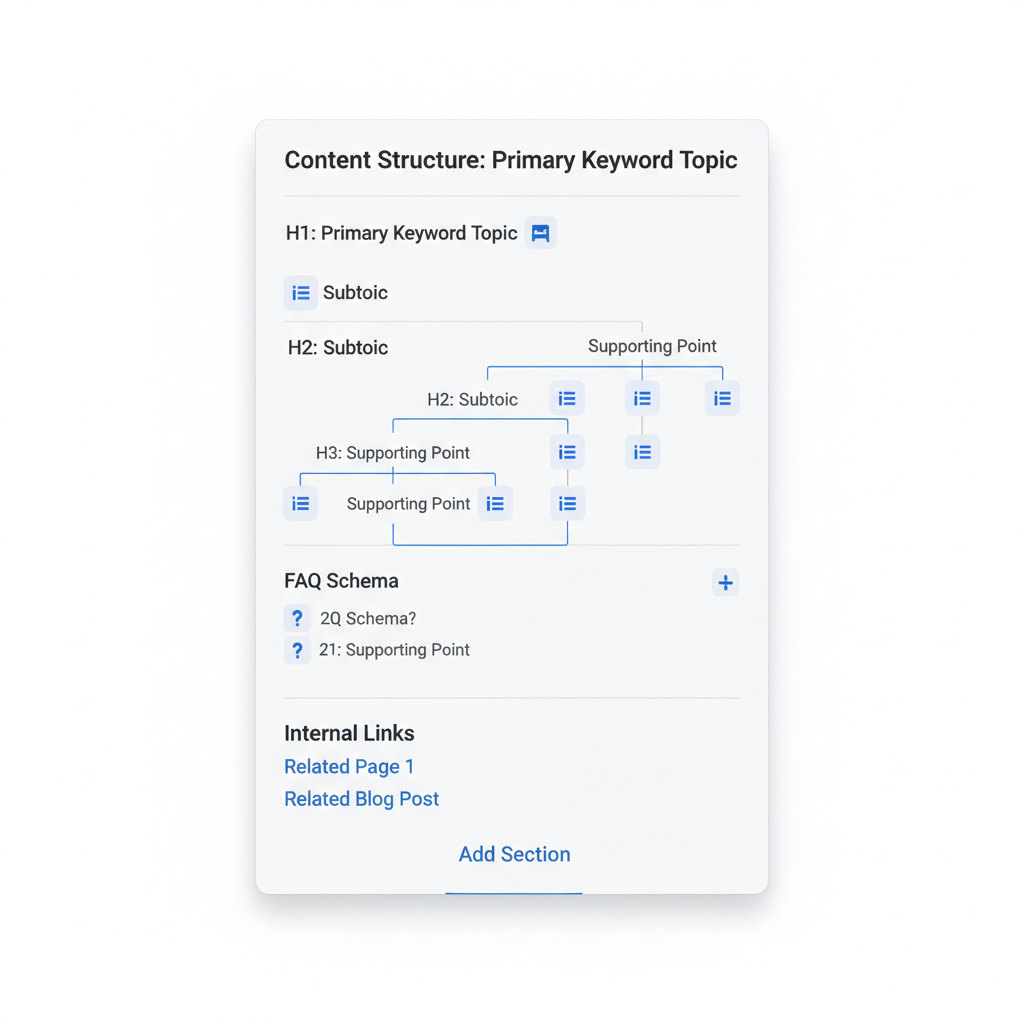
Freshness is another key factor. Content that isn’t reviewed or updated over time gradually loses relevance, even if it once performed well. Benchmarking content updates and engagement metrics helps identify pages that need improvement.
This is where outdated content quietly loses traffic…
SEO Timelines & Growth Expectations
One of the most misunderstood SEO benchmarks is time.
SEO is a long-term investment, and realistic benchmarks account for:
Industry competitiveness

In most cases:
Early traction appears in 3–6 months
Consistent growth follows in 6–12 months
Competitive leadership takes 12+ months
Tracking progress against realistic timelines prevents premature strategy changes and keeps expectations aligned with actual performance trends.
Conversion & Business Impact Benchmarks
Traffic alone is not a success metric.
The most meaningful SEO benchmarks connect organic visibility to:

Lead generation

Conversion rates

Revenue contribution

Cost efficiency compared to paid channels
When organic search attracts high-intent users, conversion benchmarks reveal the true value of SEO. This is where SEO shifts from “driving traffic” to “driving outcomes.”
Conclusion
SEO benchmarks provide more than just numbers they provide direction. In a search landscape shaped by evolving algorithms, AI-driven results, and increasing competition, knowing what to measure is just as important as how to improve. Benchmarks help separate meaningful progress from surface-level wins, allowing teams to focus on visibility, authority, content quality, and real business impact.
By evaluating SEO performance through clear benchmarks from search visibility and backlinks to content freshness and conversions organizations can make informed decisions and build strategies that scale over time. The goal isn’t to chase every metric, but to consistently measure the ones that signal long-term, sustainable growth.
FAQs
What are SEO benchmarks?
SEO benchmarks are standard performance metrics used to evaluate how well a website is performing in organic search. They provide reference points for rankings, visibility, backlinks, content quality, and conversions, helping teams understand progress and identify areas for improvement.
How often should SEO benchmarks be reviewed?
SEO benchmarks should be reviewed regularly, typically on a monthly or quarterly basis. While rankings and traffic can fluctuate, consistent reviews help track trends, measure momentum, and adjust strategies without overreacting to short-term changes.
Are keyword rankings still important in SEO?
Yes, keyword rankings are still important, but they shouldn’t be measured in isolation. Modern SEO benchmarks also focus on visibility, SERP features, and click-through rates to better understand how rankings translate into real engagement.
Why is content freshness important for SEO?
Search engines favor content that remains accurate and relevant over time. Pages that aren’t updated can gradually lose visibility, even if they once ranked well. Regular content reviews help maintain relevance and improve long-term performance.
What is the most important SEO benchmark to track?
There isn’t a single benchmark that applies to every website. However, benchmarks tied to business outcomes such as conversions, leads, or revenue from organic search are often the most valuable, as they show how SEO supports overall growth.
Let us help you grow your business with a customized SEO strategy