
The Future of PPC: What Smart Advertisers Are Doing Now
Published Date: January 2 2026
How PPC Is Evolving
AI Is Not Optional — It’s the New Standard
Audience Targeting Trumps Keyword Targeting
First-Party Data Is the New Fuel
Video Ads Are Driving Conversions, Not Just Awareness
Omnichannel PPC Is Becoming the Standard
AI-Powered Search Experiences Are Changing Ad Formats
How PPC Is Evolving
Pay per click (PPC) ads used to be as simple as purchasing keywords and waiting for the traffic to arrive. However, the domain is progressively altering the factors leading to this are AI automation, privacy changes, novel creative formats, and cross platform behavior modifications. If you are running your campaigns or figuring out the changes in PPC, these trends will assist you in being more efficient with your planning, spending less money on unproductive activities, and achieving better results in 2026. Let’s examine the most significant PPC changes influencing paid search and social, as well as the implications for your campaigns
1. AI Is Not Optional — It’s the New Standard
AI is transforming how PPC campaigns are built, optimized, and scaled.
Advertisers are using machine learning to optimize in real time instead of manual bid adjustments or gut, based targeting. These intelligent systems sift through huge amounts of data to make bid adjustments, allocate budget where it will have the greatest impact, and even create new variations if they see that a certain one is performing well
Here’s the key: PPC automation tools are essentially one of the main reasons why what used to require a team of specialists is now done in a much quicker way. Thus, there is more time left to focus on strategy instead of doing the same tasks over and over. Consequently, campaigns become more efficient.
That’s the power shift you need to understand…
Why this matters:
AI-driven campaigns can adapt to trends faster than manual setups, leading to improved ROI and higher conversions with less manual oversight.
2. Audience Targeting Trumps Keyword Targeting
Keywords still matter. But who you target matters even more.
In the early days of PPC, success hinged almost entirely on bidding on the right keywords. Today, the focus is shifting toward understanding audience behavior and intent, and layering that data with keyword signals.
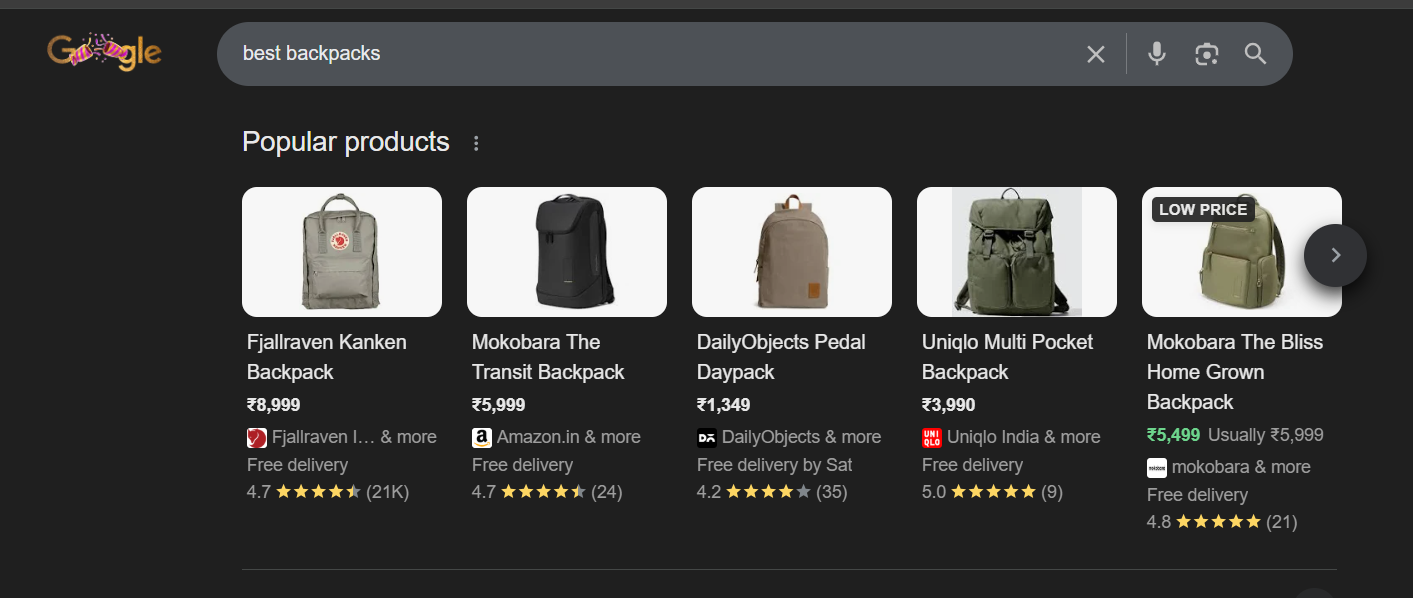
For example, rather than just bidding on “best backpacks,” campaigns now consider user behavior patterns, such as past shopping trends, browsing habits, or engagement to find high-value users even if they don’t use exact search terms.
What to watch:

First-party audience signals (people who’ve interacted with your brand before)

Demographics and in-market segments

Behavioral triggers that indicate purchase intent
3. First-Party Data Is the New Fuel
Third party cookies are being phased out by major browsers, so marketers have to figure out new ways of targeting and measuring audiences. First party data is the answer. It’s the data that users provide and share willingly, e. g. , through email lists, signed, in behavior, CRM records, and website interactions. If you use that data for targeting, AI systems get more detailed signals than a third party cookie could have ever provided. In a nutshell, customer insights from your own database, such as purchase history or email engagement are what make PPC most powerful now. The statement holds particularly true for those platforms which facilitate the creation of custom audiences and lookalike modeling..
Why first-party data matters:

More accurate targeting
Stronger performance in privacy-first environments
Better AI optimization

Improved audience modeling
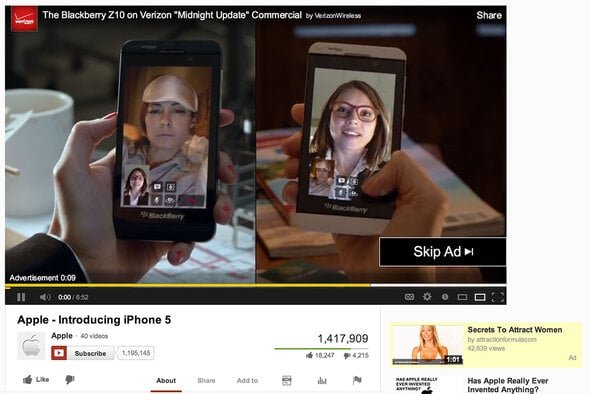
4. Video Ads Are Driving Conversions, Not Just Awareness
Platforms like YouTube Shorts, TikTok, and Instagram Reels have introduced ad formats that let viewers interact, shop, and convert without leaving the app.
Here’s the twist: Video ads aren’t just about catchy clips anymore they’re becoming conversion engines. Short, benefit-oriented clips that communicate value in the first few seconds are seeing higher engagement and stronger performance than static ads.
Tips to keep in mind:
- Start with a hook in the first 3 seconds
- Include clear, simple text overlays
- Focus on benefit-driven messaging, not just features
5. Omnichannel PPC Is Becoming the Standard
Modern PPC strategies reflect a multi-channel customer journey that includes search, social platforms, retail media, and video.
A unified PPC presence across multiple platforms not only increases reach, it also meets users where they are.
For example:
- Search ads capture high-intent queries
- Social ads build awareness and retargeting pools
- Retail media (like Amazon or Walmart ads) reaches shoppers right before purchase
Testing, tracking, and optimizing across platforms gives a more complete view of performance, allowing marketers to shift budget toward what’s actually working.
6. AI-Powered Search Experiences Are Changing Ad Formats
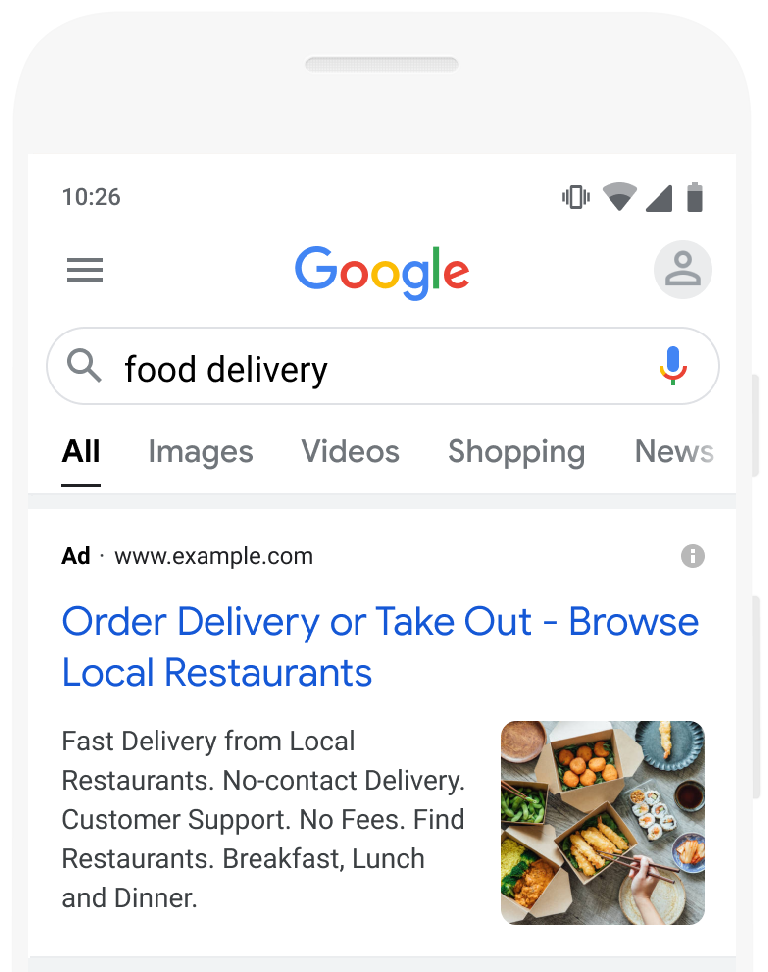
Search engines are no longer static lists; AI now influences how results and ads are displayed.
For example, AI-generated overviews or answer boxes often serve information directly to the user, reducing clicks on traditional ads. While this may lower traffic on some queries, it emphasizes the importance of high-intent terms and paid placements that complement AI content.
This trend pushes advertisers to:
- Focus campaigns on commercial or transactional search queries
- Build visibility across multiple placements
- Optimize creatives for hybrid search experiences
Conclusion
PPC advertising in 2026 revolves around smarter strategies rather than bigger budgets. The introduction of AI, changes in privacy, and the evolution of user expectations are the main factors that are changing the performance of paid campaigns. Marketers that adapt to these changes by using audience, centric targeting, smart automation, and an omnichannel approach will be able to achieve the greatest impact and ROI. The next era of PPC is simply not about placing higher bids, it’s about bidding more intelligently.
FAQs
What is the biggest trend in PPC for 2026?
AI-powered automation and audience-first targeting are the most impactful trends, shifting campaign optimization from manual tasks to data-driven systems.
Do keywords still matter in PPC?
Yes, but they are now part of a broader strategy that prioritizes audience behavior, intent signals, and first-party data.
Why is first-party data important for PPC?
With third-party cookies fading, first-party data from your own audience is now key for accurate targeting and personalized campaigns.
Are video ads effective for conversions?
Yes, short-form videos on platforms like TikTok and YouTube are increasingly driving direct conversions, not just awareness.
What does omnichannel PPC mean?
It means running coordinated campaigns across search, social, retail, and video platforms to capture users at every stage of the buying journey.
Let us help you grow your business with a customized SEO strategy