
◆ Digital Marketing for Healthcare
How digital marketing is changing healthcare discovery
in the US.Search Traffic Into Revenue
Patients no longer rely on a single source when researching healthcare. They search symptoms, treatments, specialists, reviews, locations, and providers across search engines, maps, websites, social platforms, and increasingly AI-powered tools. Digital marketing for healthcare connects these touch points to help patients find useful information and understand their healthcare options.
Healthcare visibility isn’t just about being found. It’s about being trusted when patients are ready to make a decision.
What is digital marketing for healthcare?
Digital marketing for healthcare helps patients discover, research, evaluate, and connect with healthcare providers across search engines, maps, websites, reviews, social platforms, paid campaigns, and emerging AI search tools. The goal is not simply to increase visibility, but to provide accurate information, build trust, and make it easier for patients to take the next step when they are ready.
A strong healthcare presence means more than ranking on page one.
Patients may discover a healthcare provider through search, maps, reviews, websites, social platforms, and AI tools before deciding who to contact. Digital visibility helps connect these different research moments with accurate, useful, and trustworthy information.
01 — Search
Patients begin with symptoms, conditions, treatments, and provider searches
02 — Local
Maps and local results help patients discover nearby healthcare providers
03 — Trust
Reviews, credentials, expertise, and useful content influence provider evaluation
04 — AI
Conversational search is creating another way patients discover healthcare information
How US Patients Discover, Research & Choose Healthcare Providers Online
01 · DISCOVER
Symptoms & health questions.
Patients often begin with questions about symptoms, conditions, treatments, or possible next steps.
02 · RESEARCH
Information & treatment options.
They explore medical information, treatment options, procedures, costs, recovery, and what to expect.
03 · DISCOVER PROVIDERS
Doctors, clinics & hospitals.
Once a need becomes clearer, patients begin searching for relevant specialists and nearby providers.
04 · COMPARE
Trust & credibility.
Reviews, credentials, experience, website information, and location influence the shortlist.
05 · DECIDE
Contact & appointment.
The final step may involve calling, requesting an appointment, booking online, or visiting the provider.
— THE HEALTHCARE DIGITAL LANDSCAPE
Why Healthcare Digital Marketing Is More Complex in the US
Healthcare organizations compete for attention in an environment where patients need more than a provider name. In the competitive US healthcare market, they also need accurate information, credible expertise, convenient access, and enough trust to make an informed decision.
Healthcare Searches Start With Questions, Not Providers
Patients may begin with a symptom, condition, treatment, or general health concern rather than searching for a specific healthcare organization. This makes educational content an important part of the discovery journey.
▲ CHALLENGE: BEING DISCOVERED BEFORE PROVIDER SEARCH
Trust Matters at Every Stage
Healthcare decisions are highly personal. Patients may evaluate physician credentials, experience, reviews, medical information, reputation, and website quality before deciding whether to make contact.
▲ CHALLENGE: TURNING ONLINE INFORMATION INTO TRUST
Local Discovery Shapes Provider Choice
For clinics, practices, dentists, specialists, and other location-based providers, patients often compare nearby options through search and maps — accurate information, reviews, and local content all matter.
▲ CHALLENGE: STANDING OUT IN LOCAL HEALTHCARE SEARCH
Healthcare Search Is Expanding Beyond Traditional Search
Patients increasingly use conversational AI alongside traditional search to explore symptoms, treatments, and providers — creating another layer where accuracy and credible sources influence what surfaces.
▲ CHALLENGE: REMAINING VISIBLE ACROSS SEARCH & AI
— What you get
What Does Digital Marketing for Healthcare Include?
Healthcare digital marketing brings together multiple channels that help patients discover providers, evaluate their expertise, and take the next step. The right mix depends on the type of organization, location, specialties, and the patients it serves.
01
Healthcare SEO
Improve visibility for searches related to medical conditions, treatments, specialties, providers, and healthcare services.
02
Local SEO
Help patients discover nearby clinics, practices, hospitals, and specialists through local search and maps.
03
Healthcare Content
Answer patient questions with useful, accurate, and expertise-led content that supports research and builds trust.
04
Reputation Management
Strengthen the digital signals patients use to evaluate providers, including reviews, ratings, credentials, and reputation.
05
Paid Search
Reach patients actively searching for specific healthcare services, treatments, specialists, or providers.
06
AI Search Visibility
Prepare healthcare information to be accurately understood and surfaced across ChatGPT, Gemini, and Google AI Overviews.
— How it works
Healthcare Digital Marketing for US Providers, From Strategy to Patient Acquisition
A structured approach that connects healthcare search, local visibility, patient-focused content, reputation, paid campaigns, and emerging AI search into one measurable digital marketing strategy.
Understand your healthcare audience
Services, specialties, locations, competitors, and patient search behavior are identified across digital touchpoints.
Build your digital foundation
Technical SEO, healthcare content, location pages, business profiles, and conversion-focused website experiences are strengthened.
PHASE 03 · GROW
Expand visibility across channels
Presence is grown across organic, local, paid search, reputation platforms, and emerging AI search experiences.
Track visibility, leads & patient actions
Rankings, local visibility, traffic, calls, appointment inquiries, and conversions are monitored.
— WHY IT MATTERS
Why Digital Marketing Matters for Healthcare Organizations in the US
Patients increasingly use digital channels to understand health concerns, research treatments, compare providers, and decide where to seek care. For healthcare organizations competing across the US, effective digital marketing helps them provide useful information, remain discoverable at important decision-making moments, and build trust across the patient journey.

Improve Patient Discovery
Patients may search for symptoms, conditions, treatments, specialists, or healthcare providers long before they know which organization to contact. Digital marketing helps healthcare organizations become discoverable during these early research stages.

Support Better Patient Research
Clear, accessible, and accurate online information can help patients understand services, treatments, procedures, providers, and what to expect before taking the next step. This is particularly important in digital marketing for health and wellness, where education and trust often shape the research journey.

Build Trust Before Contact
Healthcare decisions often involve significant personal and practical considerations. Provider credentials, reviews, expertise, educational content, and a reliable digital presence can all influence how patients evaluate their options.

Strengthen Local Accessibility
For location-based healthcare providers, digital marketing helps connect patients with relevant clinics, practices, hospitals, and specialists through search engines, maps, location pages, and local business information.

Reach Patients Across Different Decision Stages
Some patients need immediate care, while others may spend days or weeks researching a condition or treatment. A broader digital presence can support both immediate provider searches and longer research journeys.

Adapt to Changing Healthcare Discovery
Search engines remain important, but patients can now move between traditional search, maps, reviews, websites, social platforms, and AI-powered tools. Healthcare digital marketing helps organizations maintain visibility as these discovery behaviors continue to evolve.
— THE CHANGING HEALTHCARE SEARCH LANDSCAPE
Traditional Search vs. Modern Healthcare Discovery
Traditional Search
Patients search using conditions, symptoms, treatments, procedures, and provider-related queries
Organic results help patients discover educational and service-focused healthcare pages
Local results and maps help patients find nearby healthcare providers
Reviews and business information influence provider comparison
Websites provide deeper information before a patient makes contact
Search performance can be measured through rankings, visibility, traffic, and conversions
Modern Healthcare Discovery
Patients can begin with conversational questions rather than traditional provider searches
AI tools can summarize healthcare information and recommend sources or providers
Patients may move between AI answers, search results, maps, websites, and reviews
Authority, expertise, accuracy, and source credibility become increasingly important
Healthcare organizations need consistent information across multiple digital touchpoints
Visibility increasingly involves being discoverable wherever patients conduct their research, making digital health marketing an important part of a broader healthcare visibility strategy.
— BUILDING AN EFFECTIVE STRATEGY
Healthcare Digital Marketing Strategies to Consider
An effective healthcare digital marketing strategy is not simply a collection of channels. It connects patient needs, search behavior, trustworthy information, provider visibility, and measurable goals across the healthcare journey. For organizations serving patients in the US and other competitive markets, medical digital marketing also needs to account for local expectations, provider competition, and the way patients research care online.
01 · Start With Patient Search Intent
Healthcare searches can begin with a symptom, diagnosis, treatment question, provider need, or location-based query. Understanding what patients are trying to accomplish at each stage helps determine the type of content, page, or digital experience they need.
Strategy: Match healthcare content and landing pages to the questions and decisions patients are actively researching.
02 · Build Content Around Real Patient Questions
Patients often need information before they are ready to contact a provider. Educational content can address common questions about conditions, treatments, procedures, preparation, recovery, costs, and next steps—an approach that also supports effective digital marketing for health and wellness.
Strategy: Create useful content that supports research while making it easy for patients to find relevant services and providers when they are ready.
03 · Strengthen Local Healthcare Visibility
For practices, clinics, hospitals, and specialists serving specific areas, local discovery can play a central role in patient acquisition. Across competitive US healthcare markets, location information, business profiles, reviews, service pages, and locally relevant content all contribute to this experience.
Strategy: Make provider, service, and location information accurate, accessible, and consistent across important digital touchpoints.
04 · Make Expertise Easy to Evaluate
Patients may look for information about physicians, specialists, qualifications, experience, and the organizations providing their care. Making this information clear can support trust and help patients evaluate their options.
Strategy: Clearly communicate provider expertise, credentials, relevant experience, and the people behind healthcare information
05 · Connect Visibility With the Next Patient Action
Being discovered does not automatically create an appointment or inquiry. Patients should be able to move easily from researching information to finding a provider, contacting the organization, requesting an appointment, or accessing the appropriate next step.
Strategy: Reduce unnecessary friction between healthcare research and meaningful patient actions.
06 · Maintain Consistent Information Across Channels
Patients may encounter a healthcare organization through multiple sources before making a decision. Differences in provider information, services, locations, contact details, or other key information can create confusion.
Strategy: Maintain accurate and consistent information across websites, search platforms, maps, directories, reviews, and other relevant digital channels.
— MEASURING WHAT MATTERS
How Do You Measure Digital Marketing Success in Healthcare?
Healthcare digital marketing should be evaluated beyond rankings and website traffic. Different metrics reveal how effectively a digital presence helps patients discover, evaluate, and connect with a healthcare organization. For digital marketing for health and wellness, measurement should also reflect the quality of engagement and whether the right audience is progressing toward a relevant next step.
01
Visibility
Search rankings, local search presence, map visibility, and visibility for relevant healthcare queries show whether patients can discover the organization online.
02
Engagement
Organic traffic, page engagement, returning visitors, content interactions, and other behavioral signals help indicate whether visitors are finding information relevant to their needs.
03
Trust
Reviews, ratings, provider information, branded searches, and engagement with educational content can provide insight into how patients evaluate an organization online.
04
Conversions
Calls, appointment requests, contact forms, online bookings, and other conversion actions connect digital activity with measurable patient inquiries.
05
Acquisition
Cost per lead, source of patient inquiries, conversion rates, and channel-level performance help organizations understand which digital activities contribute to acquisition.
06
AI Visibility
As conversational search becomes part of online research, organizations can also monitor whether their expertise, services, and brand are accurately represented and referenced across AI-generated results.
— FROM STRATEGY TO EXECUTION
How UnoSearch Supports Healthcare Organizations Targeting the US Market
Healthcare digital marketing requires a balance between visibility, patient education, trust, and measurable outcomes. For healthcare organizations competing in the US market, UnoSearch brings these elements together through an integrated approach designed around how patients research and choose healthcare providers. Our medical digital marketing approach focuses on connecting these touchpoints rather than treating each channel as a separate activity.
Understand the Patient Journey
We begin by understanding how patients search, what information they need, which providers they compare, and where digital interactions influence their decision-making process.
Build the Digital Foundation
We strengthen the website, search presence, local profiles, content, and other digital touchpoints that help healthcare organizations become easier to discover and evaluate.
Connect Search With Trust
Healthcare visibility is not only about being found. We align educational content, provider expertise, reviews, and credible information to help patients make informed decisions.
Adapt to Emerging Search
Traditional search continues to matter, while conversational AI is creating new ways for people to discover and research healthcare information. Our approach considers both environments.
05 · Measure Meaningful Outcomes
We look beyond rankings and traffic to understand how digital activity contributes to engagement, inquiries, calls, appointment actions, and other meaningful outcomes. This helps turn medical digital marketing and digital health marketing into measurable growth processes.
— CASE STUDIES
Healthcare Digital Marketing Case Studies by UnoSearch
Explore how UnoSearch applies search, content, local visibility, paid media, and AI search strategies to help organizations strengthen their digital presence. These examples show how digital marketing for healthcare can be adapted to different healthcare growth challenges.
Medical Link Building: 38 High-Authority US Medical Backlinks
UnoSearch helped Doc Digital SEM, a US-based digital agency serving healthcare clients, secure 38 editorial backlinks from DR 40+ US medical publishers within 60 days.
- Domain Rating: 23 → 34
- Page 1 keywords: 12 → 41
- The campaign focused on relevance and editorial quality rather than mass backlink volume—an important distinction when digital marketing and healthcare strategies need to earn trust in highly scrutinized medical search environments.
The campaign focused on relevance and editorial quality rather than mass backlink volume—an important distinction in highly scrutinized medical search environments.
Apex Cosmetic Clinic: 438% Organic Traffic Growth
Apex Cosmetic Clinic’s digital presence had gaps in local optimization, reviews, citations, and patient-focused content. UnoSearch implemented a broader SEO and local visibility strategy.
- 438% increase in organic traffic
- 279% increase in patient enquiries
- 6K+ Google Business Profile views
- 4K+ backlinks secured
The case demonstrates how technical optimization, content, local visibility, reputation, and authority can work together rather than operating as separate marketing activities.
DenteX: 1.11M+ Search Impressions & 65–71% Lead Growth
DenteX faced fragmented visibility across orthodontic searches, competitive pressure around high-value terms, and underutilized brand and local search opportunities. UnoSearch developed an SEO and local search strategy around different stages of search intent, including awareness, brand, comparison, and conversion-focused queries.
- 11M+ Google Search impressions
- 5K clicks in three months
- 65–71% increase in qualified leads
- +71.8% Google Business Profile interactions
- Average position improved from 20.8 to 7.7
The strategy illustrates why healthcare and medical digital marketing needs to cover the entire research journey rather than optimize only for a small group of commercial keywords.
— KEEP LEARNING
Go deeper into SEO, local search and AI visibility.
Explore practical guides on how search works, how businesses get discovered locally, and how AI is changing the way people find information online.
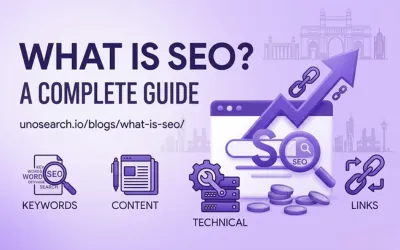
01
What Is SEO? A Beginner Guide To Understand
This is the best foundational blog for visitors who want to understand how search visibility works before exploring healthcare-specific strategies. Your page heavily focuses on patients discovering providers through symptoms, treatments, specialists, and service-related searches.
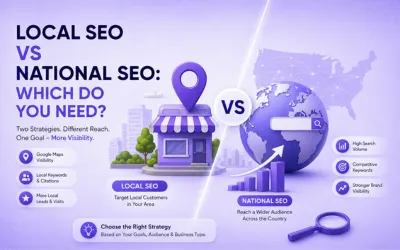
02
Local vs National SEO: Which Do You Need?
A strong match for the local healthcare visibility section. The healthcare page specifically discusses clinics, practices, hospitals, and specialists being discovered through maps, local results, location information, and reviews.
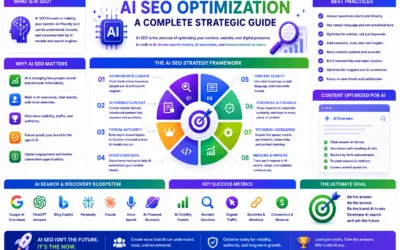
03
AI SEO Optimization: A Complete Strategic Guide
This is the strongest match for the page’s AI Search Visibility messaging. Your healthcare page specifically mentions preparing healthcare information to be understood and surfaced across ChatGPT, Gemini, and Google AI Overviews. The blog directly explains how AI-driven search visibility works across these platforms.
— Before we talk
Digital Marketing for Healthcare — FAQs
Common questions healthcare organizations ask before building a stronger digital presence.
What is digital marketing for healthcare?
Digital marketing for healthcare is the use of search, local visibility, content, reputation, paid campaigns, and AI search to help patients discover, research, evaluate, and connect with healthcare providers. The goal is to make useful and trustworthy information easier to find while supporting meaningful actions such as calls, enquiries, and appointment requests.
Why is digital marketing important for healthcare organizations?
Patients often research symptoms, treatments, specialists, providers, reviews, and locations before deciding where to seek care. Digital marketing helps healthcare organizations remain visible throughout these research stages while giving patients the information they need to evaluate their options.
What does a healthcare digital marketing strategy include?
The right strategy depends on the organization, its specialties, locations, services, and audience. It can include healthcare SEO, local SEO, patient-focused content, reputation management, paid search, and AI search visibility—working together rather than as separate activities.
How can healthcare organizations attract more patients online??
A strong digital presence starts by understanding what patients are searching for and creating clear paths from research to action. This can involve improving visibility for relevant searches, providing useful healthcare information, strengthening local discovery, communicating provider expertise, and making it easy for visitors to request an appointment or contact the organization.
How does SEO support medical digital marketing?
SEO helps healthcare organizations become more visible when patients search for symptoms, conditions, treatments, specialties, services, and providers. It can support both early-stage research and later-stage searches when patients are actively comparing healthcare options or looking for a provider.
Why is local SEO important for healthcare providers?
For clinics, practices, hospitals, and specialists serving specific locations, patients often use search engines and maps to compare nearby options. Accurate business information, location pages, reviews, service information, and local search visibility can all help patients find and evaluate relevant providers.
How do you measure the success of healthcare digital marketing?
Success should go beyond rankings and website traffic. Healthcare organizations can measure visibility, engagement, trust signals, calls, appointment requests, enquiries, conversions, patient acquisition, and—where relevant—visibility across AI-powered search experiences.
— Let’s grow together
Make it easier for patients to find and choose you.
Patients don’t follow a straight path to choosing a healthcare provider. They search, research, compare, and evaluate across search engines, maps, websites, reviews, and emerging AI tools. Let’s identify where your digital presence stands and build a clearer path from patient discovery to meaningful action.