
◆ Digital Marketing for Ecommerce
How digital marketing is reshaping the way people shop online
Digital marketing for ecommerce helps online stores appear throughout this journey. It supports discovery when shoppers begin their research. It also guides them towards the cart and a completed purchase.
The goal goes beyond gaining more site visits. It is about reaching the right shoppers and helping them find products. It should also create a clear path from search to sale.
What is digital marketing for ecommerce?
Digital marketing for ecommerce uses several channels to reach and convert shoppers. These may include search, content, paid ads, and social media. Product improvements, conversion work, and new AI search tools may also help.
A strong plan connects product reach with the full shopping journey. It helps shoppers find products and compare their options. It also guides them to the right pages and supports action when they are ready.
Digital marketing and ecommerce must work together. An online store cannot rely on its website alone. Shoppers need to find products across the channels they use for research.
An ecommerce store needs to be visible before a shopper reaches the checkout.
Online shoppers rarely follow a straight path to a sale. They may search for a product and compare brands. They may also read reviews, visit several stores, return later, and then buy.
Strong online marketing e commerce plans keep brands visible during each stage. This makes it easier for shoppers to return when they are ready.
01 — Discovery
Shoppers search for product types, categories, and brands. They may also search by problem or desired solution before choosing what to buy.
02 — Comparison
Product details, prices, reviews and images can shape the choice. Category pages also help shoppers compare stores and products.
03 — Performance
SEO, paid ads, ecommerce PPC management, and content can support product discovery. They connect ready-to-buy shoppers with suitable products.
04 — Conversion
The journey does not end with a site visit. Product pages, navigation, trust signals, and checkout paths shape whether interest turns into revenue.
— FEATURED VIDEO
How eCommerce SEO and Generative AI Can Support Sales, Conversions & Google Rankings
Product discovery now happens across several channels. These include traditional search results, AI answers, comparison pages, and new AI shopping tools.
This section explains how online store SEO and AI can work together. They can improve product reach and rankings. They can also attract the right traffic and create more chances for a sale.
eCommerce SEO · Product Visibility · Generative AI · Google Rankings · Conversions · Sales Growth
How Shoppers Discover, Compare & Buy Products Online
A shopping journey may start with a broad need, not a set brand. A shopper may search by category, compare options and explore features. They may also check prices and several stores before buying.
Understanding these stages is central to strong digital marketing for ecommerce. Each stage has a clear role. Together, they form the full path from search to sale.
01 · DISCOVER
Product Needs & Search Intent
Shoppers begin with a need, problem, product category, trend or search term. This first step helps them see what is available.
Categories, Products & Options
Shoppers may browse category pages, product collections, guides, marketplaces, and brand websites. These sources help them understand their choices.
03 · COMPARE
Price, Features & Trust
Product specifications, reviews, delivery details, pricing, offers, and brand credibility can shape the decision.
04 · EVALUATE
Product Experience & Purchase Confidence
Shoppers check whether a product page answers their main questions. Clear information can build enough confidence to add the item to the cart.
05 · RUN
Cart, Checkout & Conversion
The final path includes the cart and checkout. Clear payment options also matter. Each step should make the purchase easy to complete.
Retention & Repeat Purchases
The link can continue after the first order. Customer care, remarketing and useful content can support repeat sales. Ongoing brand reach also helps.
— How it works
A Connected Digital Marketing Approach for Ecommerce Growth
Ecommerce growth needs more than one channel. Digital marketing and ecommerce must work as one plan. Search, paid growth, product pages and sales data should support the same goals.
Understand Your Store & Shoppers
The first phase reviews product categories, target shoppers and search demand. It also covers competitors, sales opportunities and terms that show buying intent.
Strengthen Product Discovery
The next phase improves the base that supports online discovery. It covers site SEO, category pages, product pages, and site structure. Clear content and sales paths also help shoppers understand the store.
PHASE 03 · GROW
Expand Demand & Qualified Traffic
The growth phase expands reach across organic search, paid ads and shopping campaigns. Content, social search and emerging AI search paths can support wider demand.
Measure Sales & Improve Performance
The final phase tracks product reach, relevant traffic and page use. Cart activity, buying actions, advertising costs and revenue help show overall performance.
— WHY IT MATTERS
Why Ecommerce Businesses Need a Connected Digital Marketing Strategy
Online retail is highly competitive. Shoppers can compare options within minutes. A brand must be present when demand exists. It must also offer a clear product path once shoppers arrive.

Improve Product Discovery
Digital marketing can help products and collections appear for the right searches. These searches may relate to a category, need or buying chance.

Attract Higher-Intent Traffic
Not every visitor has the same value. Stronger targeting helps focus reach and ads around shoppers with clearer intent to buy.

Support Product Comparison
Content, product details, reviews and category pages help shoppers compare options. Clear facts can support the choice before they buy.

Create More Conversion Opportunities
Traffic alone does not equal growth. Product relevance, site use and trust all matter. The cart and checkout can also shape ecommerce sales.

Balance Organic & Paid Growth
SEO can build long-term product reach. Ecommerce PPC management can capture demand for selected products and categories. It can also support focused shopping ads.

Prepare for New Shopping Behaviors
AI search tools now give shoppers more ways to research products. They can also help users compare details before they buy.
Why Ecommerce Marketing Requires More Than Traffic Growth
An online store may receive thousands of visits and still struggle. Growth may stay low if the wrong audience arrives. A poor shopping path can also block sales.
Product Visibility Is Highly Competitive
Many brands can target the same product groups and product searches. Ranking requires clear fit, strong site structure, useful product details, and ongoing improvement.
▲ CHALLENGE: GETTING THE RIGHT PRODUCTS DISCOVERED
Shoppers Compare Before They Commit
Shoppers can move quickly between sites, marketplaces, reviews, and search results. Product pages must make key details easy to check.
▲ CHALLENGE: TURNING PRODUCT INTEREST INTO PURCHASE CONFIDENCE
Paid Acquisition Needs Continuous Control
Paid ecommerce campaigns can create fast reach. Ecommerce PPC management helps control terms, products, bids and spend. Results also rest on the landing page and sales data.
▲ CHALLENGE: IMPROVING ECOMMERCE PPC MANAGEMENT WITHOUT WASTING SPEND
Store Growth Depends on Multiple Touchpoints
A shopper may find a product through search. They may return through another channel before they buy. Online marketing e commerce plans should cover this full path.
▲ CHALLENGE: CONNECTING DISCOVERY, ACQUISITION & CONVERSION
AI Is Changing Product Research
AI and chat-based search give shoppers new ways to ask for suggestions. They can compare products and explore buying options in a more natural way.
▲ CHALLENGE: PREPARING PRODUCT INFORMATION FOR CHANGING DISCOVERY BEHAVIOR
— What you get
What Can Digital Marketing for Ecommerce Include?
The right ecommerce marketing mix rests on your products, audience and margins. Competition, sales cycles and growth goals also shape the plan.
01
Ecommerce SEO
Improve the reach of product group pages, product pages, collections, and sales-focused search chances.
02
Ecommerce PPC Management
Plan paid ads around the right products and categories. Align shopping intent, budgets, and campaign goals with measurable business growth.
03
Product & Category Optimization
Make product details easier for shoppers and search engines to understand. Organise collections, attributes, and buying options clearly.
04
Ecommerce Content Marketing
Create useful content for product research and comparisons. It should also support buying decisions and wider category searches.
05
Conversion Rate Optimization
Find friction across finding products, landing pages, cart journeys, and other key buying steps.
06
AI Search Visibility
Prepare product and brand information for emerging AI-powered search and AI chat search tools.
Traditional Ecommerce Search vs. Modern Product Discovery
Shopping research now involves more than entering a product keyword and clicking the first result. Shoppers often check several sources before deciding.
Traditional Ecommerce Search
Shoppers search by product name, category, brand, or feature.
Organic search connects product and category pages with the right audience.
Paid ads create quick reach for selected products.
Product pages present prices, features, images, reviews, and buying details.
Revenue, cart actions, and purchases help measure sales.
Modern Product Discovery
Shoppers may start with broad questions or AI product research.
AI tools can support product comparisons and suggestions.
The journey may include Google, social media, marketplaces, and brand websites.
Clear and well-grouped product details now matter more.
Brands need consistent product facts across key channels.
Ecommerce visibility should support the full path from search to sale.
— BUILDING AN EFFECTIVE STRATEGY
Ecommerce Digital Marketing Strategies to Consider
A strong digital marketing & e commerce plan links demand with the shopping journey. It helps shoppers move from search to product page, cart, and sale.
01 · Map Keywords to Product Intent
Find whether a search shows early discovery, comparison or category research. It may also show brand interest or a stronger intent to buy.
STRATEGY: MATCH SEARCH INTENT TO THE RIGHT PRODUCT OR CATEGORY EXPERIENCE
02 · Strengthen Product & Category Pages
Improve the page structure, product details and internal links. Clear content helps shoppers and search tools find key products.
STRATEGY: HELP SEARCH ENGINES AND SHOPPERS UNDERSTAND WHAT YOU SELL
03 · Build Paid Campaigns Around Commercial Priorities
Use ecommerce PPC management to focus spend on the right products and categories. Campaigns and audiences should match the business goals.
STRATEGY: CONNECT PAID SPEND WITH PRODUCT-LEVEL PERFORMANCE
04 · Improve the Path to Purchase
Review each step from the landing page to checkout. Find any point that may slow the shopper or block a sale.
STRATEGY: MAKE IT EASIER FOR QUALIFIED SHOPPERS TO COMPLETE THE NEXT ACTION
05 · Use Content to Support Buying Decisions
Create helpful content for product comparisons and use cases. Buying guides and category questions can also support the choice.
STRATEGY: SUPPORT SHOPPERS BEFORE THEY ARE READY TO PURCHASE
06 · Prepare for AI-Driven Discovery
Keep key product, category and brand facts clear. Use the same facts across channels as AI search grows.
STRATEGY: BUILD PRODUCT VISIBILITY BEYOND TRADITIONAL SEARCH RESULTS
— MEASURING WHAT MATTERS
How Do You Measure Ecommerce Digital Marketing Performance?
Ecommerce marketing should be tracked beyond rankings and sessions. The main question is simple. Does the reach lead to useful shopping actions and sales?
01
Product Visibility
Track rankings and reach for key product, category and buying searches.
02
Qualified Traffic
Check whether visitors match the target audience. Compare traffic quality from organic search, paid ads, and other channels.
03
Engagement
Track category visits, product views and repeat visits. Other page actions can also show real shopping interest.
04
Conversion Activity
Track add-to-cart actions, checkout starts, purchases and other key buying steps.
05
Acquisition Efficiency
Review campaign results, conversion rates and costs. Compare the marketing spend with the sales it supports.
06
Revenue Contribution
Link digital reach and paid activity with sales and revenue. This shows how each channel supports ecommerce growth.
— FROM STRATEGY TO EXECUTION
How UnoSearch Supports Ecommerce Brands in the US & Beyond
Ecommerce brands need plans that cover both search habits and sales results. UnoSearch brings together visibility, paid growth and conversion planning. This supports steady online growth.
Understand Demand at Product Level
Product-level analysis covers categories, search demand and shopper intent. It also reviews competitors and the pages that can help products get found.
Improve Organic Product Discovery
A strong website and content base supports organic visibility. It helps category and product pages compete for useful searches.
Support Paid Growth
Our ecommerce PPC management work focuses on relevant targeting and campaign structure. Product goals and clear results guide each decision.
Connect Traffic With Conversion
The post-click journey includes page relevance, product details and user paths. Each factor can influence the chance of a sale.
Prepare for Changing Search Behavior
Ecommerce brands can prepare for AI-led product research while continuing to support traditional search.
// WHAT_UNOSEARCH_BRINGS
Product-Focused
Plans are based on your catalogue, categories, margins, audience and sales goals.
Connected
SEO, paid ads, and content support one growth plan. Product visibility, conversion work, and AI search add further support.
Measurable
Reports focus on visibility, relevant traffic, buying actions, costs and revenue.
— Client Testimonial
From Low Visibility to Consistent Ecommerce Sales Growth
This story features a US fashion brand that worked with UnoSearch. The goal was to improve ecommerce results. The brand also wanted a steady path to organic growth.
The brand needed more than higher rankings. It needed better product reach and more relevant traffic. It also needed an ecommerce plan that could support long-term sales.
— KEEP LEARNING
Explore More About Rankings, Traffic & Ecommerce Conversions
Ecommerce growth often rests on three linked areas. Shoppers must find the store with ease. The store must attract relevant traffic. The site must then turn that traffic into sales.

01
How to Improve Google Ranking

02
How to Improve Website Traffic
03
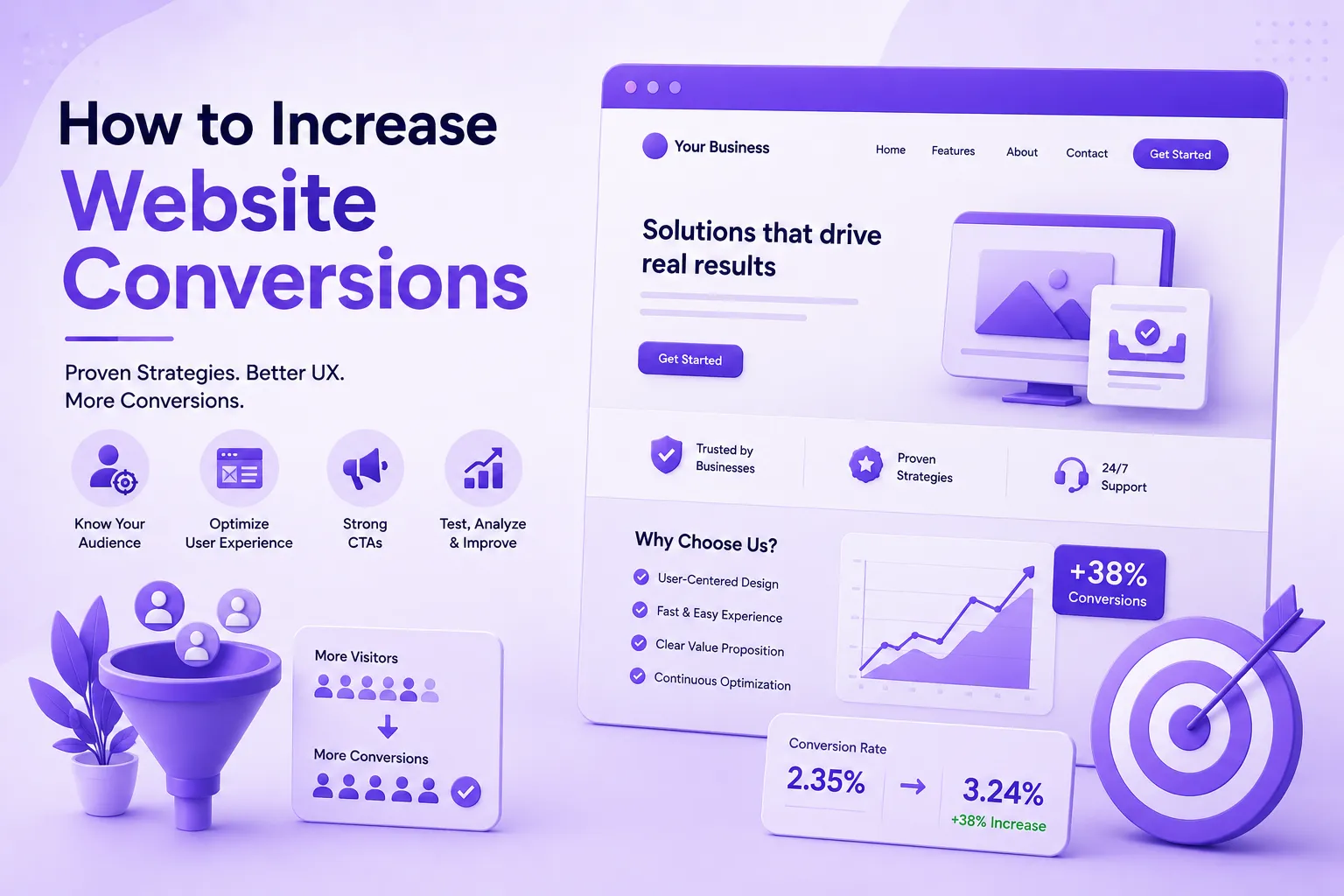
How to Increase Website Conversions
Learn which factors shape conversion results. Use them to turn more relevant site visits into useful actions.
FAQs on Digital Marketing for Ecommerce
What is digital marketing for ecommerce?
Digital marketing for ecommerce may include SEO, paid ads and ecommerce PPC management. It can also include content, social search, product work and conversion improvement. Together, these channels help online stores attract and convert shoppers.
Why is digital marketing important for ecommerce businesses?
Online stores face strong competition. Shoppers can compare products and brands within minutes. Digital marketing helps suitable products reach the right audience. It also creates more chances to sell.
How do digital marketing and ecommerce work together?
Digital marketing and ecommerce are closely linked. Marketing channels bring shoppers to an online store. The store then helps them research, compare and buy. Both traffic and conversion must work together.
What does ecommerce PPC management involve?
Ecommerce PPC management covers the planning and control of paid campaigns. It may include keywords, campaign structure, budgets and product goals. Audience targeting and performance reviews are also part of the work.
What is online marketing e commerce?
Online marketing e commerce means using digital channels to promote an online store. It may include search marketing, paid ads, content, social platforms and email. Conversion work can also support sales.
How can digital marketing & e commerce strategies improve sales?
Digital marketing & e commerce plans can improve sales in several ways. They help the right shoppers find the right products. They also improve product details, buying paths and channel tracking.
— Let’s grow together
Turn Every Search Into a Growth Opportunity
Ready to grow your e-commerce brand? UnoSearch delivers data-driven digital marketing strategies that drive traffic, visibility, and sales.
Registration takes no time at all — join woospins casino and start enjoying your exclusive welcome bonus immediately.